Drain Cleaning in Columbus, OH
Clear the clog completely, protect your pipes, and get your home back to normal
Slow drains, backups, and gurgling pipes are frustrating, and store-bought chemicals often don’t solve the real blockage. JMR Plumbing clears clogs safely with the right tools for the job and leaves your space clean when we’re done.
When a Drain Keeps Clogging, There’s Usually a Reason
Stop the cycle of plunging and temporary fixes
A kitchen sink that backs up, a shower that won’t drain, or a toilet that clogs repeatedly can point to buildup deeper in the line. DIY chemicals can be hard on plumbing and still leave most of the obstruction behind. We’ll identify what’s causing the problem and clear the drain using methods that match the pipe and the blockage. If clogs are recurring, we can recommend next steps to prevent repeat issues.
Professional Drain Cleaning Methods
The right machine for the right blockage
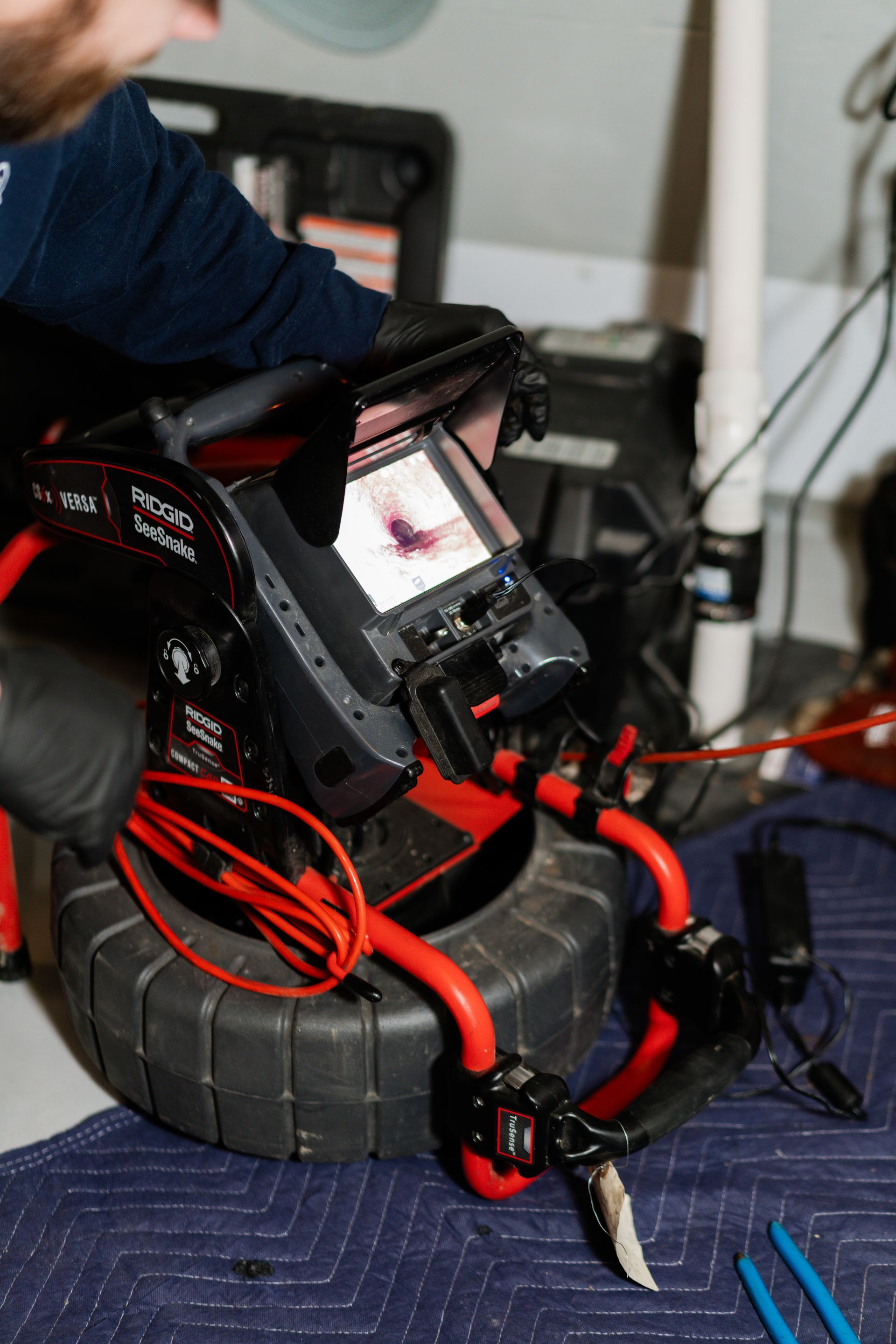
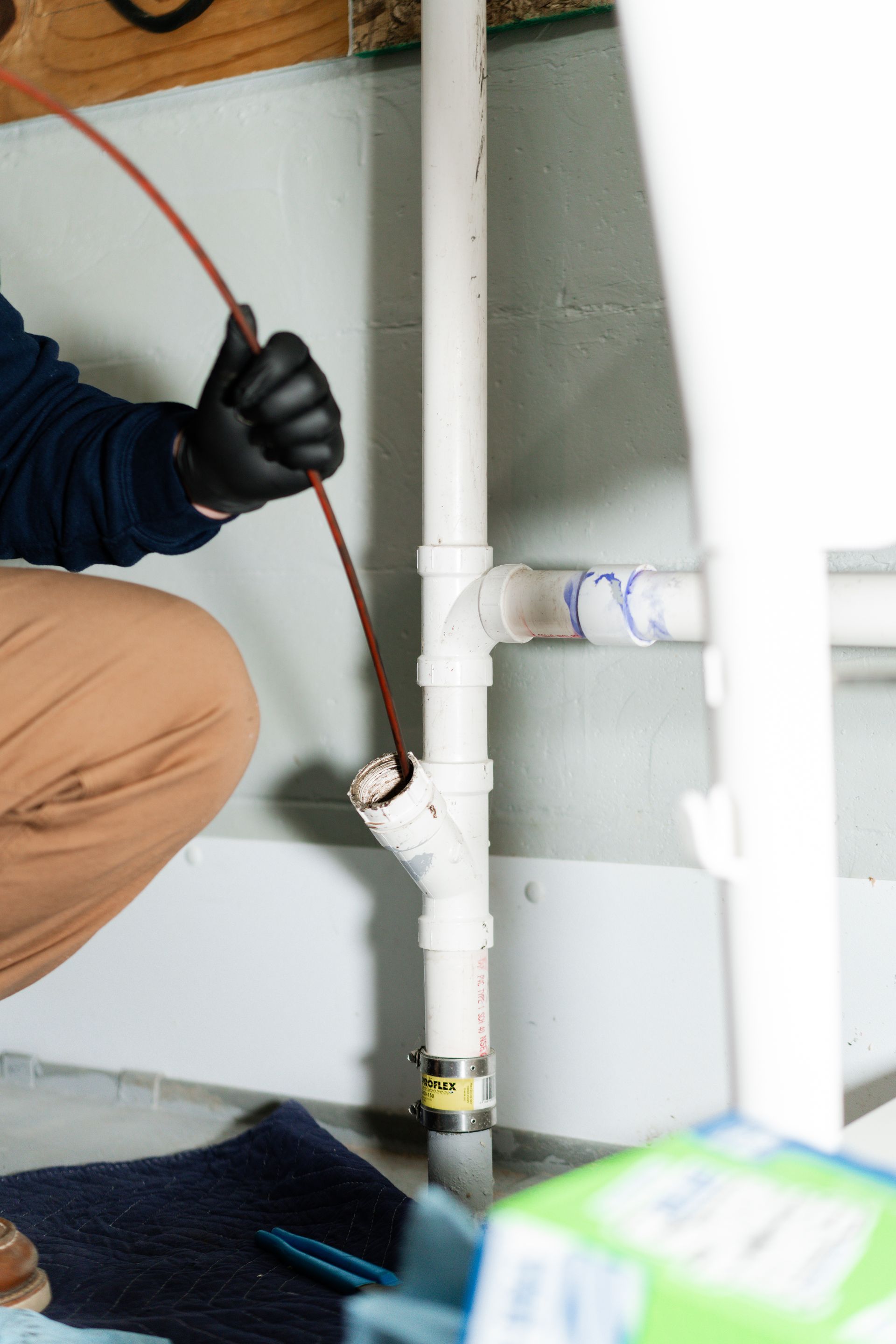
We start by understanding what’s happening and where the clog is likely located, then choose the safest, most effective approach. For sinks, tubs, and showers, we typically use smaller drain machines (often called drain augers, snakes, or cable machines) sized for those lines. For deeper blockages—like main sewers or downspouts—we use larger drain machines built for longer runs and tougher obstructions. If the cause isn’t obvious or the clog returns, a camera inspection can confirm what’s going on inside the pipe.
- Smaller drain machines (drain augers/snakes/cable machines) for sinks, tubs, and showers
- Larger drain machines for main sewer lines and downspouts
- Hydro jetting, when appropriate, to scour grease, debris, and roots from the line
- Camera inspection to diagnose recurring clogs and confirm pipe condition
Local Drain Issues in Columbus Homes
Grease buildup, older lines, and tree roots can all play a role
Many clogs come from everyday habits like grease in kitchen drains or hair and soap in shower lines, but recurring problems can signal more than a simple blockage. In areas with mature trees and older drain materials, root intrusion and worn joints can create repeat backups that need more than a quick clearing.
If we suspect a deeper issue, we’ll explain what we’re seeing and the best way to confirm it, often with a camera inspection. From there, we can recommend the most sensible solution, whether that’s a deeper cleaning approach or a repair plan if the line is damaged.
Drain Cleaning FAQs
Helpful answers before you book service
Plumber for clogged drain near me — when should I call?
Call when a drain is slow for more than a day or two, when multiple drains act up, or when plunging doesn’t improve the problem. Those are common signs the blockage is deeper than the fixture. Waiting can turn a partial restriction into a full backup that’s harder to clear. A plumber can remove the clog safely and help prevent it from coming right back.
Can a plumber clear a main sewer line clog?
Yes—main sewer line clogs are a common service call and require equipment designed for deeper, larger pipes. If multiple fixtures are backing up at once, the main line is often the place to check. We’ll clear the blockage and, if needed, recommend a camera inspection to see whether roots, a belly (flat spot) in the line, or pipe damage is contributing. The goal is reliable flow, not a quick fix that clogs again.
What’s the cost of drain cleaning in Columbus?
Costs depend on where the clog is, how severe it is, and whether it’s a fixture line or the main line. Some blockages clear quickly, while others require heavier equipment or additional diagnosis. The best way to avoid surprises is an on-site assessment with clear options. We use upfront pricing so you can approve the plan before work begins.
Is professional drain cleaning worth it versus store-bought cleaners?
Often, yes, because professional clearing removes the obstruction more completely and is tailored to your plumbing. Chemical cleaners can be harsh on pipes and still leave most of the buildup behind, especially with grease, hair, and roots. Proper equipment can clear the line without relying on corrosive products. You also get insight into why the clog happened and how to reduce repeats.
How can I prevent clogs after the drain is cleared?
In kitchens, avoid pouring grease down the drain and use strainers to catch food particles. In bathrooms, use hair traps and clean them regularly. Run plenty of water during use to help move debris through the line. If clogs keep returning in the same spot, it’s worth checking for a deeper issue like buildup, roots, or pipe damage.
Drain Cleaning Quick Guide
Symptoms, likely causes, and typical solutions
Drain problems can look the same, but the cause (and the best method) can be different depending on the line and blockage. Use this table to understand what may be happening, then schedule service to confirm and fix it properly.
| Symptom | What it often means | What we typically do |
|---|---|---|
| Kitchen sink slow or backing up | Grease and food buildup in the branch line | Clear the line with the right cable/attachments and restore normal flow |
| Shower or tub won’t drain | Hair and soap scum blockage close to the drain | Remove the clog and clear buildup without damaging the pipe |
| Toilet clogs often | Partial blockage or the wrong items being flushed | Auger the toilet and check the line if clogs continue |
| Multiple drains gurgle | Restriction deeper in the main line | Use a main-line machine and recommend camera inspection if recurring |
| Several fixtures back up at once | Main sewer line blockage | Clear the main line and discuss hydro jetting or repair options if needed |
| Recurring clogs in the same drain | Buildup, roots, or a pipe defect | Camera inspection to confirm cause and a long-term fix plan |